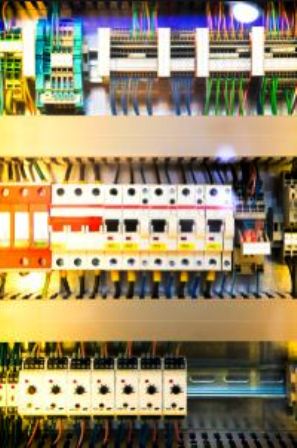

In today’s fast-paced industrial environment, the role of an industrial electrician is crucial for ensuring that complex electrical systems operate efficiently and safely. These skilled professionals are responsible for installing, maintaining, and troubleshooting high-voltage electrical systems that power manufacturing plants, data centers, and other critical facilities. Their expertise not only keeps production lines running smoothly but also enhances safety for employees and compliance with regulatory requirements. By understanding the essential tasks and impacts of industrial electricians, businesses can better appreciate the value they bring to the table in fostering operational efficiency and long-term success.
The Role of Industrial Electricians
An industrial electrician specializes in installing, maintaining, and troubleshooting industrial electrical equipment and systems. This expertise is paramount in environments such as manufacturing plants, data centers, and heavy industrial settings, where the focus is on high-voltage systems that drive complex operations.
Key Responsibilities
When considering what an industrial electrician does, it’s essential to highlight their array of responsibilities:
- Installation of electrical systems: From power distribution to motor control centers, their work involves setting up the infrastructure that powers production lines and equipment.
- Maintenance: Regular checks and servicing ensure that systems operate smoothly, reducing the likelihood of unexpected outages.
- Troubleshooting: Identifying and rectifying faults in electrical systems to minimize downtime, often employing diagnostic tools and skillful problem-solving abilities.
- Compliance: Ensuring that all electrical work adheres to local, state, and national codes, which is crucial for safety and operational efficiency.
Skills and Training Needed for Industrial Electricians
To excel in this role, an industrial electrician must possess a robust set of skills and extensive training, ensuring competence in a variety of scenarios. Core competencies typically include:
- Expertise in electrical theory: An understanding of how electrical systems work is foundational.
- Strong diagnostic skills: The ability to quickly identify issues can make a significant difference in operational uptime.
- Technical proficiency: Familiarity with tools and devices such as programmable logic controllers (PLCs) and variable frequency drives (VFDs) is essential.
- Communication abilities: Collaborating effectively with engineers, operators, and other team members is crucial.
Why Industrial Electricians Matter
The significance of industrial electricians extends beyond mere technical knowledge. Their contributions are vital for several reasons:
Enhancing Operational Safety
In the presence of high-energy electrical systems, safety cannot be overstated. Industrial electricians adhere to strict guidelines from bodies such as OSHA and NFPA 70E, ensuring that all safety protocols are followed. By conducting regular inspections and employing rigorous testing methods, they mitigate risks associated with electrical hazards, thereby safeguarding both personnel and infrastructure.
Promoting Operational Efficiency
Through their dedicated maintenance and rapid response to issues, industrial electricians help maintain consistent production schedules. This minimizes downtime, which can lead to significant financial losses. Studies have shown that the cost of unplanned outages can reach thousands of dollars per hour, emphasizing the importance of a competent electrical team.
The Future of Industrial Electrical Work
As technology continues to evolve, the realm of industrial electrical systems is transforming dramatically. Key trends include:
- Integration of Automation: The adoption of smart technologies and IIoT sensors fosters real-time monitoring and data-driven maintenance strategies.
- Renewable Energy Solutions: Increasing focus on sustainability sees industrial electricians blending traditional systems with renewable energy sources like solar and wind.
- Advanced Data Collection: Enhanced control systems allow for better tracking of energy usage and system performance, paving the way for more efficient operations.
Long-Term Partnerships with Industrial Electricians
The lasting value of engaging qualified industrial electricians manifests in ongoing partnerships that enrich operations. This includes not only routine maintenance but also the planning of upgrades and expansions that accommodate new technologies and compliance requirements. By fostering a collaborative approach, facilities can optimize their electrical systems for both current and future needs.
In summary, industrial electricians play a critical role in ensuring the efficiency, safety, and longevity of electrical systems within demanding environments. Their unique blend of technical expertise and problem-solving skills is essential for navigating the complexities of modern industrial operations. For those looking to enhance their electrical infrastructure, partnering with experienced professionals is paramount.
For comprehensive services tailored to your facility’s electrical needs, consider reaching out to Berwick Electric.