Maintaining cooling systems for peak efficiency is essential for homeowners seeking to ensure a comfortable living environment while minimizing energy expenses. As the demand for air conditioning rises during hot summer months, understanding the intricacies of HVAC maintenance becomes vital. This guide will delve into practical strategies and essential practices to keep your cooling systems operating efficiently, thereby extending their lifespan and promoting energy conservation.
Understanding Your Cooling System
Before delving into maintenance tasks, grasp how your cooling system functions. At its core, an air conditioning system pulls heat and humidity from inside, transferring it outside through a series of coils, compressors, and fans. The efficiency of this process is largely dictated by how well the components are maintained.
Energy Efficiency Ratings
Cooling systems are often evaluated using the Seasonal Energy Efficiency Ratio (SEER). Units with a higher SEER rating are more energy-efficient, consuming less energy to produce the desired cooling effect. Understanding this rating can be pivotal when selecting materials or systems for upgrades.
Essential Maintenance Tasks for Optimal Performance
To maximize efficiency, it is crucial to adopt a systematic approach to maintenance. Here are some essential tasks that will elevate your cooling system’s performance.
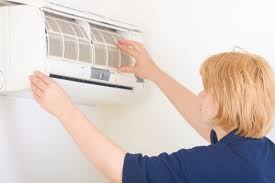
1. Regularly Change Air Filters
- Check filters monthly during peak usage.
- Replace them at least every 1-3 months, depending on conditions.
- Utilizing clean filters improves airflow, enhances air quality, and reduces energy consumption.
2. Clean the Coils
The evaporator and condenser coils are vital to your system’s performance. Dirt accumulation can restrict the coils’ ability to absorb and release heat. To maintain optimum efficiency, ensure these coils are cleaned regularly. This preventive care can save you significant costs on electricity bills.
3. Inspect and Seal Ducts
Leaky ducts can undermine your system’s efficiency. Regularly check for signs of wear or damage, and seal any leaks to ensure that the cooled air reaches its intended destination without unnecessary losses. This not only boosts efficiency but also enhances your comfort.
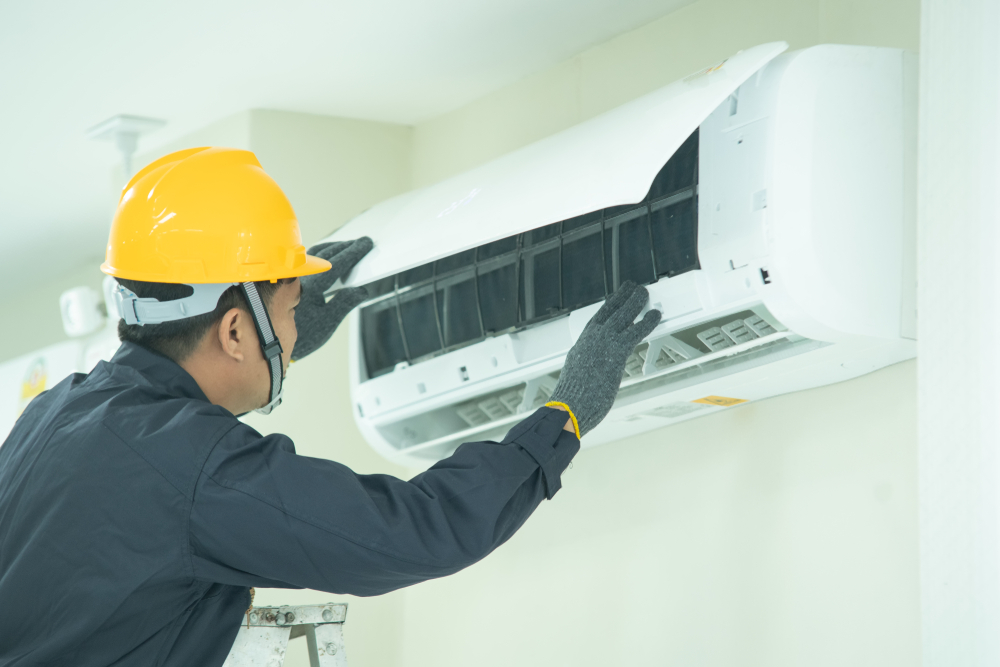
4. Schedule Professional Maintenance
While occasional DIY tasks can be effective, there’s no substitute for professional expertise. Schedule routine check-ups with qualified technicians. During these visits, they will check refrigerant levels, tighten electrical connections, and ensure all components are functioning optimally.
Monthly and Seasonal Maintenance Practices
Routine maintenance should be a mix of monthly tasks and seasonal checks to prepare your cooling system for fluctuating demands.
Monthly Maintenance
- Inspect and replace air filters as necessary.
- Clear debris around outdoor units to promote airflow and efficiency.
- Check thermostat settings to ensure they are programmed efficiently.
Seasonal Checks
Prior to peak seasons, perform these critical checks:
- Inspect refrigerant levels and check for leaks.
- Clean or replace filters to prepare for heavy usage.
- Evaluate the functionality of the thermostat.
- Ensure all vents are clear and unimpeded.
Enhancing Home Energy Efficiency
Improving your home’s energy efficiency is not solely about the cooling system. Implementing measures such as upgrading insulation, installing energy-efficient windows, and utilizing sun-blocking shades can significantly lessen the burden on your cooling system.
Landscaping for Shade
Utilizing landscaping as a natural cooling method can be quite effective. Planting trees strategically around your home can block direct sunlight, making it easier for your cooling system to maintain comfortable indoor temperatures.
Common Misconceptions About Cooling System Maintenance
Many homeowners harbor myths regarding cooling systems. For instance, some might believe that closing vents in unused rooms saves energy – a falsehood that can strain your unit and lead to inefficiency. Always ensure good airflow throughout your home to keep your system running effectively.
Routine maintenance extends beyond mere convenience; it is an investment in comfort, sustainability, and cost-efficiency. Neglecting these practices could lead to unexpected breakdowns and costly repairs in the long run.
Engaging with a knowledgeable service provider can guide you through these intricacies and secure your peace of mind.