
Maintaining a comfortable environment in commercial spaces is crucial for enhancing productivity and employee satisfaction. However, managing energy consumption while running HVAC systems can often lead to soaring operational costs. Implementing smart cooling solutions offers businesses an opportunity to optimize their energy use, resulting in significant savings. By leveraging modern technology and innovative practices, companies can effectively reduce energy expenses without compromising on comfort, ensuring a sustainable approach to temperature control and cost management.
Understanding HVAC Systems and Their Impact on Energy Costs
Maintaining a comfortable ambient temperature in commercial buildings is crucial for employee comfort and productivity. However, the operation of cooling and HVAC systems can lead to unexpectedly high energy bills. It’s no secret that facility managers often find that heating, ventilation, and air conditioning units account for a substantial portion of their energy expenses.
Optimize Existing HVAC Systems
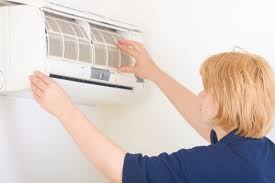
Before diving headfirst into the purchase of new HVAC installations—often a significant outlay of cash—it’s vital to assess whether the current systems are optimized for performance. Neglecting existing systems can result in higher energy consumption due to the extra load placed on poorly maintained units.
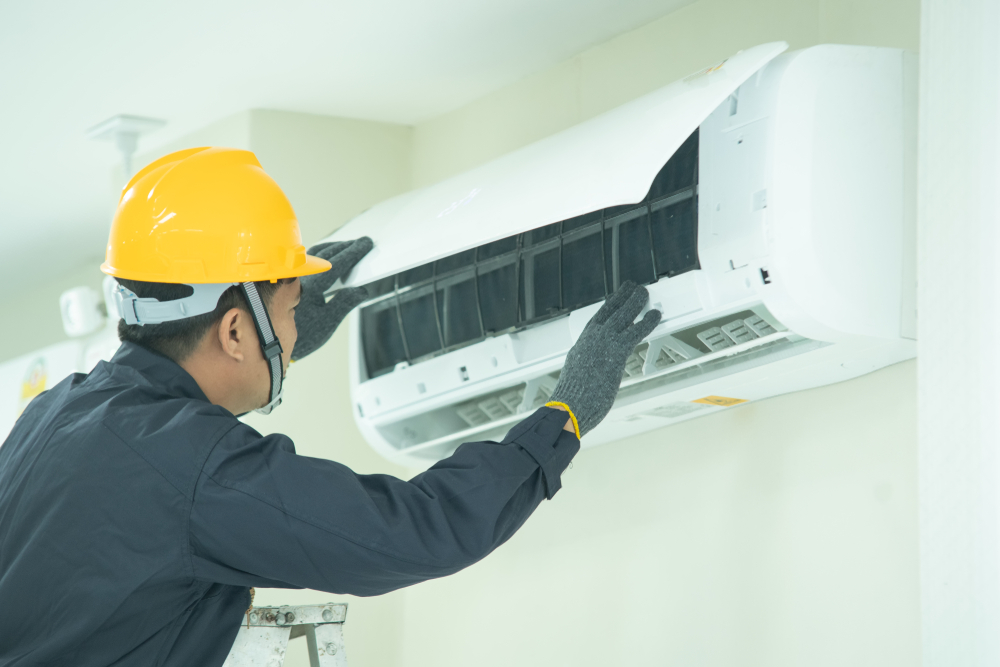
- Regular Maintenance: Ensure a trained technician performs regular tune-ups to enhance unit efficiency, prevent energy waste, and reduce operational costs.
- Preventive Maintenance Plans: Adopt a systematic approach that ensures HVAC systems function close to their designed efficiency, saving money over time.
- Smart Technology: Implement programmable thermostats and automation solutions to optimize cooling systems based on occupancy and environmental conditions.
By optimizing existing systems, businesses can enjoy the benefits of reduced energy demand and lower costs without the immediate financial burden of a complete system overhaul.
Invest in High-Efficiency Components
When the time comes to replace aged components, opting for energy-efficient solutions can lead to excellent long-term cost benefits. High-efficiency units tend to outperform traditional systems because they adapt better to environmental demands.
Types of Upgrades
- Variable Speed Technology: Unlike single-speed models, these units adjust their output based on real-time cooling demands, offering substantial savings.
- Advanced Thermostats: Beyond basic programming, these sophisticated devices often include features for remote adjustment and energy use analytics.
- Zoned Cooling Systems: Ductless systems or variable air volume solutions allow targeted cooling, ensuring comfort while minimizing waste.
Though high-efficiency components may require a larger initial investment, the potential for significant energy savings and improved performance justifies the expense over time.
Enhance Insulation and Sealing
A building’s envelope—including walls, roofs, and foundations—acts as the first barrier to outside temperatures. Improving insulation can lead to remarkable energy savings. The U.S. Environmental Protection Agency suggests that businesses can save up to 20 percent on their energy expenditures by properly insulating their facilities.
Strategies for Insulation Improvement
- Upgrade insulation in ceilings and walls to reduce the thermal load on HVAC systems.
- Apply weather stripping and caulking around windows, doors, and other potential leak points.
- Insulate HVAC ductwork and piping, especially in areas prone to temperature fluctuations.
By addressing these critical components, companies can create a more energy-efficient environment, allowing their HVAC systems to operate more effectively.
Incorporate Passive Cooling and Automation Techniques
Consider integrating passive cooling techniques that exploit natural ventilation to maintain comfortable temperatures without relying solely on HVAC systems. For instance, strategically placing shaded structures or utilizing cross-ventilation can significantly lessen the demands on traditional cooling methods.
Embracing Smart Automation
Automation offers an avenue for enhancing energy efficiency through intelligent monitoring and adjustments. The use of sensors to adjust cooling in real-time can result in up to 30% energy savings based on occupancy levels.
- Install occupancy sensors to prevent unnecessary cooling in unoccupied spaces.
- Integrate an Energy Management System (EMS) to coordinate energy usage and take advantage of lower utility rates during off-peak hours.
Final Thoughts
Implementing these smart cooling solutions can lead to reduced energy costs and a more sustainable operational model. For businesses looking to enhance their HVAC efficiency, consider arranging a consultation with a qualified service provider. They can offer tailored solutions that align with your specific needs and help you achieve your energy-savings goals.
For more guidance and options in optimizing your energy efficiency, explore the offerings from Peninsula Heating Cooling & Electrical. Their expertise can help you harness intelligent technologies and innovative solutions.