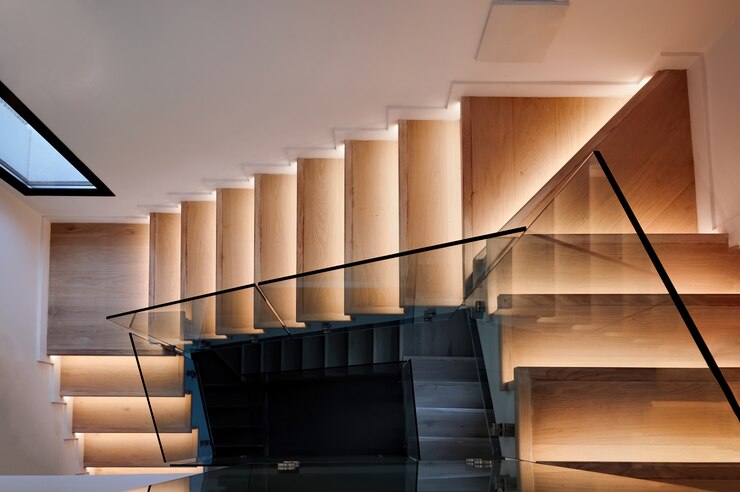
In the landscape of contemporary architectural design, glass railings have emerged as a transformative element that combines sleek aesthetics with essential safety features. Their ability to create an illusion of space while providing unobstructed views makes them a preferred choice in both residential and commercial projects. Not only do these railings enhance the overall style of buildings, but they also offer practical benefits such as durability, low maintenance, and compliance with modern safety codes. As more architects and designers recognize their versatility, glass railings are becoming synonymous with sophistication and innovative design.
Uninterrupted Views: The Aesthetic Superiority of Glass Railings
One of the paramount benefits of incorporating glass railings into architectural design is their ability to maintain unobstructed views. Unlike traditional railings that can block sightlines, glass railings allow for a seamless connection between indoor and outdoor spaces. This characteristic is particularly appealing for:
- Coastal Properties: Homes perched on cliffs or overlooking the sea can utilize glass railings to showcase breathtaking views.
- Open-Plan Interiors: In spaces designed for airiness, glass railings enhance the feeling of openness while demarcating areas effectively.
- Balconies and Terraces: With outdoor spaces becoming more popular, glass railings ensure that the view remains the star of the show.
Durability and Low Maintenance: Built to Last
Glass railings are more than just a pretty face; they are also engineered to withstand the test of time. The materials used, such as tempered glass and laminated glass, are designed with durability in mind. Here’s how:
Strength and Safety
Tempered glass is treated for increased strength and can endure significant impact, making it a safer choice for households and public spaces alike. Similarly, laminated glass holds together even when shattered, providing peace of mind without compromising aesthetic value.
Weather Resistance and Maintenance Ease
Furthermore, these modern railings exhibit low maintenance. Unlike wooden railings that require regular treatment to fend off rot or metal options that can rust, glass railings necessitate simple cleaning. A quick wipe with a mild cleaner is typically all that is required to maintain their crystal-clear appearance.
Design Flexibility: A Tailored Fit for Every Style
When it comes to design flexibility, glass railings can adapt to a wide array of architectural styles. From contemporary skyscrapers to rustic homes, their versatility shines. Potential options include:
- Frameless Designs: These create a sleek, modern look and improve the sense of openness.
- Glass with Metal Accents: Incorporating metal posts or frames balances transparency and strength.
- Textured or Colored Glass: For those looking to make a statement, frosted or tinted options can introduce an artistic flair.
Compliance with Safety Standards: A Responsible Choice
Safety is paramount when selecting materials for any architectural project. Glass railings are designed to comply with international building codes, ensuring that they meet safety standards for height and load capacity. With advances in technology, the formulations of glass used are continually improving, fostering innovations that prioritize both security and design.
Cost-Effectiveness: Value Beyond the Initial Investment
While some may view glass railings as a more expensive choice, cost-effectiveness reveals a different story. Considering their durability, low maintenance requirements, and timeless appeal, these installations often prove to be a wise investment over time. Additionally, the addition of glass railings can increase property value, making it an attractive perspective for homeowners and developers alike.
Installation Considerations for Glass Railings
The installation of glass railings should be approached with precision and expertise. Employing a professional installer ensures that they are fitted according to safety regulations. Key steps include:
- Site Assessment: Thoroughly analyzing the structure to ensure it can support glass railings.
- Choosing the Right Fitting: Depending on the design, choices include post-mounted or frameless systems.
- Sealing Techniques: Utilizing sealants to give the system resilience against weather elements.
Transformative Impact on Spaces
Ultimately, glass railings extend beyond mere functionality. They transform spaces, allowing them to breathe and feel less constrained. By skillfully merging form and function, these innovative barriers become focal points in design, accentuating the beauty of surroundings while ensuring safety.
If you’re looking to elevate your space through the implementation of glass railings, consider exploring options offered by companies dedicated to quality and safety in glass solutions, like Ekoro Railings.