Choosing the right staircase for your space can significantly impact both aesthetics and functionality. As homeowners and businesses weigh their options, the debate between custom stairs and prefabricated stairs often arises. Each option presents unique advantages in terms of cost, design flexibility, and installation time. Understanding these differences is crucial in determining which investment aligns best with your needs and budget. In this exploration, we will delve into the key factors that can help you make an informed decision for your staircase project.
Casting the Budget: Cost Comparison
Cost is a primary factor that can drive your decision. To illustrate:
| Feature | Custom Stairs | Prefab Stairs |
|---|---|---|
| Initial Investment | Higher due to personalized design | Lower due to mass production |
| Long-term Value | Potentially gives a unique appeal | Consistent performance, less likely to need replacement |
Exploring Upfront Costs
While the initial costs of custom stairs may seem justified for those with specific visions in mind, opting for prefabricated stairs can uncover savings that may surprise you. Mass production affords the luxury of lower prices, which means you can allocate your budget to other critical areas of your renovation.
Installation Time: Your Schedule Matters
Speed is another element that should not be overlooked:
- Prefab Stairs: The speed of installation is one of the highlights, often taking mere hours due to pre-assembled components.
- Custom Stairs: The bespoke nature of these stairs often incurs longer wait times, given that precise measurements and intricate designs require multiple site visits.
Design Flexibility: Balancing Aesthetics
In the world of stair design, customization reigns supreme when it comes to aesthetics.
Advantages of Custom Design
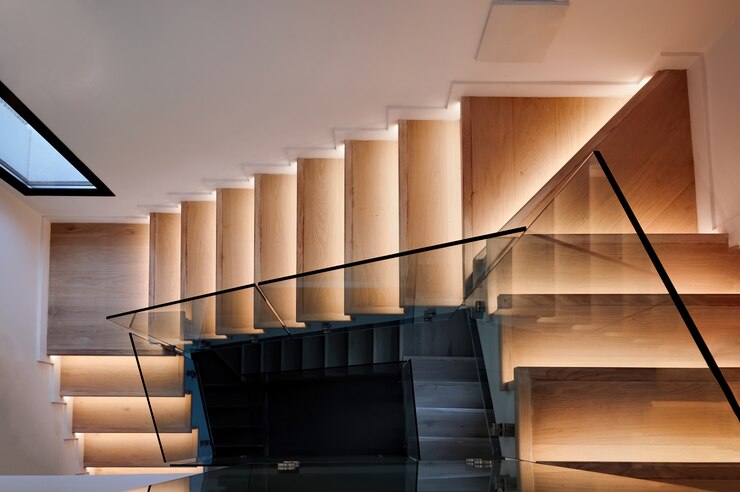
Tailored to fit your particular space, a custom staircase allows for endless potential in terms of shape, material choice, and finish. From exotic woods to intricate ironworks, your preferences can shine through, presenting a staircase that becomes a stunning focal point.
The Versatility of Prefab Options
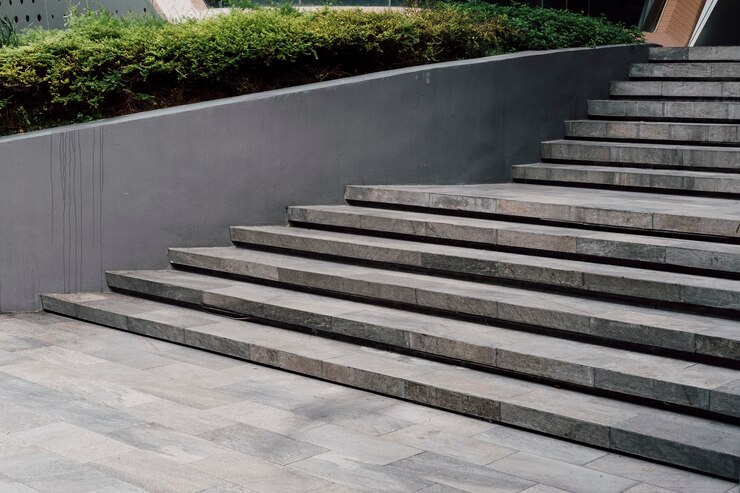
On the contrary, prefabricated stairs offer a standardized design that can still adapt to a range of styles. Features such as varied treads, risers, and handrail styles provide flexibility without overwhelming choices.
Safety and Compliance: Building Standards Matter
Safety remains non-negotiable when it comes to stair design. Ensuring that staircases adhere to critical building codes can mitigate risks.
Safety with Custom Stairs
Creation of a custom staircase demands careful planning to ensure compliance. However, if not executed properly, it may expose users to safety hazards due to improper measurements or insufficient load-bearing capabilities.
Why Prefab Stairs Are a Safer Bet
Leading manufacturers of prefabricated stairs run rigorous tests to ensure safety. The adherence to building codes, along with built-in features complying with regulations such as ADA guidelines, means choosing prefab significantly reduces the risk of errors.
Quality and Material Choices
Quality reflects not just durability but the overall value of the investment.
Material Consistency in Prefab Stairs
Prefabricated staircases are produced in controlled environments. This guarantees consistent quality and robust construction, reducing the chances of defects.
High-Quality Custom Material Selection
With custom stairs, there’s freedom to select high-end materials to match your desired aesthetic. However, this could come with the risk of uncertainty relating to the sourcing of these materials and their long-term performance.
Final Considerations for Your Stair Investment
Both options present compelling reasons for investment, depending on the specific needs of your home or business.
- Prefab stairs score high on cost efficiency, time management, and compliance without compromising quality.
- Custom stairs offer unique aesthetics and personalized features but often involve increased costs and time commitments.
When weighing your options between custom vs. prefab, reflect on what matters most for your project: budget, design flexibility, safety, or time constraints. The right choice will naturally align with your specific needs.