
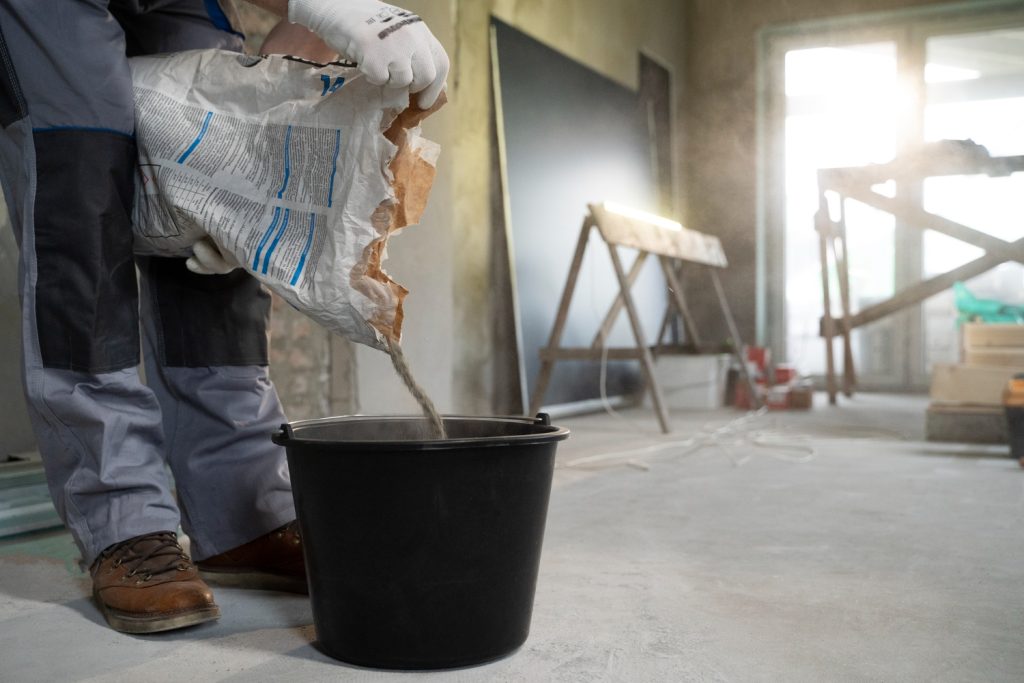
In the world of construction, foundation stability is paramount, and underpinning specialists play a crucial role in ensuring that existing structures remain secure and robust. These experts utilize a range of techniques to strengthen foundations that may have experienced deterioration or are at risk due to various factors. By employing innovative methods tailored to specific structural needs and soil conditions, underpinning specialists effectively enhance a building’s load-bearing capacity and mitigate potential issues, thereby safeguarding the integrity of the entire structure.
What is Underpinning?
Underpinning is a construction technique aimed at reinforcing and stabilizing the foundation of an existing building. The necessity for underpinning often arises when unforeseen issues like soil settlement, foundation cracks, or changes in load-bearing demands occur after a structure has been completed.
Why Choose Underpinning?
Households and organizations might consider underpinning when:
- They observe alarming structural signs, such as cracks in walls or doors that stick.
- They require additional support due to nearby construction activities.
- They are repurposing a building or expanding it, thus increasing its load demands.
Methods Used by Underpinning Specialists
Underpinning specialists deploy various techniques tailored to meet the specific needs of the structure at hand. Here are some of the most popular methods:
Mass Concrete Underpinning
The mass concrete method, also referred to as the pit method, has stood the test of time. This method involves excavating soil beneath the existing foundation in stages until a stronger layer is reached. Once excavated, the area is filled with concrete to create a solid support base. While this approach is straightforward and cost-effective, it is predominantly suitable for shallow foundations.
Cantilever Needle Beam Method
When an extension is necessary on one side of a foundation—especially where there’s a robust interior column—underpinning specialists may utilize the cantilever needle beam method. This technique boasts a high load-bearing capacity and is faster than the traditional approach. However, it is less ideal for projects with deep foundations due to its cost and may face access constraints.
Pier and Beam Underpinning
This method, popularly known as the base and beam method, utilizes reinforced concrete beams to divert the structure’s load to concrete piers or bases. Developed post-World War II, it has transformed the way deeper foundations are handled, proving effective across various ground conditions.
Mini Piled Underpinning
In scenarios where a foundation’s load needs to reach a deeper stratum, typically beyond five meters, specialists turn to mini piled underpinning. This method is particularly beneficial in tight spaces, employing small-diameter piles that minimize environmental disruption.
Pre-test Method of Underpinning
This modern technique focuses on compacting the subsoil prior to the actual underpinning process. Suitable often for strip or pad foundations, it allows for predetermined loads to test the load-bearing configuration before more extensive intervention is necessary.
Assessing the Need for Underpinning
Recognizing when underpinning is warranted requires the keen eye of structural engineers. Specialists assess signs of distress such as:
- Visible cracks
- Doors and windows that no longer align
- Uneven floors or walls
They may also conduct thorough soil evaluations to predict foundation performance under new loads. Spotting issues early can significantly reduce the extent of underpinning required.
Choosing the Right Specialist
Engaging a qualified underpinning specialist is crucial for the success of any foundation intervention. Their expertise allows them to select the most suitable underpinning method based on factors such as:
- The age of the building
- The specific structural requirements
- The prevailing soil conditions
In conclusion, underpinning is an intricate yet vital process that secures the foundation of structures at risk. By leveraging their knowledge of various methods, underpinning specialists play a pivotal role in fortifying buildings against future uncertainties.
If you’re facing concerns regarding your foundation, it may be worth exploring the services that SUPREME CONCRETE BUILD offers, ensuring your structure’s longevity and safety.


