When a furnace falters or the air conditioner struggles through another warm spell, homeowners face a familiar dilemma: pay for repairs or invest in a replacement? The right choice depends on the system’s age, the pattern and cost of failures, energy performance, and whether a new unit will solve ongoing comfort problems.
This article explains the signs that tip the balance toward replacement, outlines what a trustworthy diagnostic visit includes, and gives concrete steps to compare proposals so you can decide without being upsold.
How age and performance guide the decision
Age is the simplest starting point. Most forced-air furnaces and central air conditioners have useful lives roughly as follows: furnaces 15–20 years, air-conditioning condensers 12–15 years. If a component sits near or beyond these spans, replacement is often the better long-term investment rather than repeated repairs.
That said, age alone is not decisive. Consider three practical scenarios:
- If a system under ten years old has a single failed part (compressor, motor, or control board), repair is usually reasonable if the repair cost is small relative to the system’s remaining life.
- If you’re in the mid-life range and the system has had multiple big repairs (compressor, heat exchanger, or repeated refrigerant leaks), replacement becomes more attractive because reliability and efficiency are declining.
- If the system is at the typical end of life and you face a major failure, replacement generally makes sense because a new system will restore efficiency, comfort, and warranty coverage.
Symptoms that usually justify replacement
Watch for these recurring or serious signs — they often indicate systemic problems rather than an isolated fault:
- Poor or uneven comfort across rooms despite recent repairs: that can signal improper sizing, duct problems, or an aging system that can no longer meet the load.
- Rising energy bills without a change in usage: a clear signal of lost efficiency from worn compressors, motors, or heat exchangers.
- Frequent breakdowns with increasing repair costs: three or more significant repairs in a short span suggests replacement will be cheaper over time.
- Safety concerns such as cracked heat exchangers or persistent carbon monoxide detections: these are non-negotiable replacement triggers for gas-fired equipment.
- Refrigerant leaks in older R-22 systems: because R-22 is phased out, ongoing leaks are costly and hard to justify repairing.
What a fair diagnostic visit should include
A trustworthy diagnostic visit takes time and documents what it found. Expect the technician to:
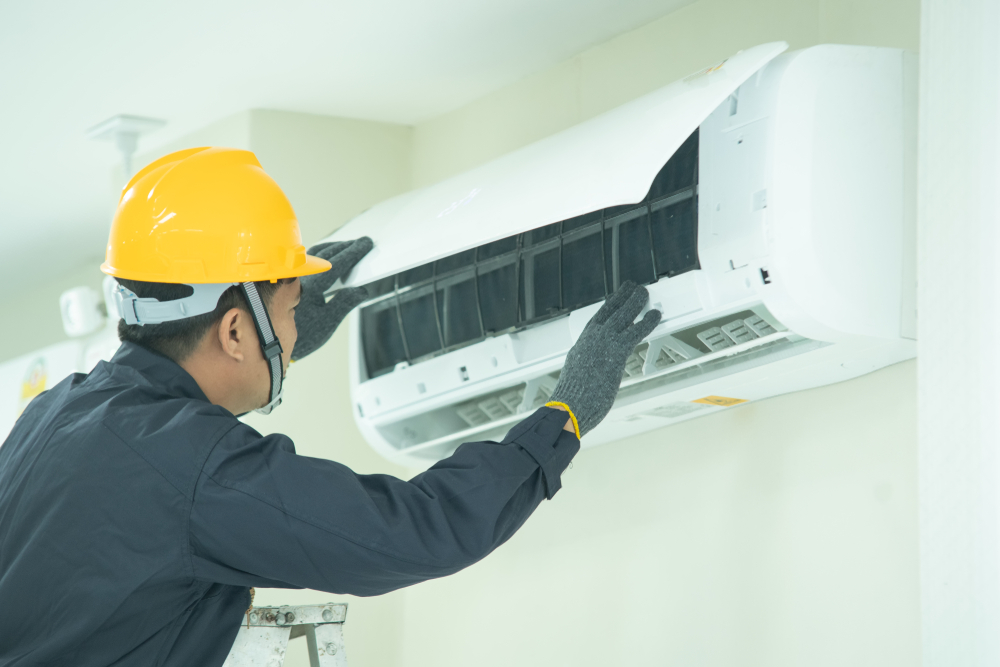
- Inspect both indoor and outdoor units, including visible ductwork and condensate drain paths.
- Check airflow and refrigeration pressures, measure temperature split across the coil, and test electrical components and safety controls.
- Look for combustion safety issues on gas systems (flame pattern, venting, spillage) and, if present, recommend immediate action.
- Explain the likely cause of the problem, list recommended repairs in order of priority, and estimate costs for each item separately.
- Provide a written report or checklist that documents findings, parts tested, and any measurements taken. Photographs of concerning defects are helpful.
If a visit runs under 30 minutes and ends with a simple “you need a new unit” answer, ask for more detail. A proper diagnosis requires testing and documentation.
How to compare contractor proposals without being upsold
When you have two or three proposals, compare them systematically rather than by headline price alone. Key things to line up across proposals:
- Scope of work: match the proposed equipment model (or at least capacity and efficiency), ductwork changes, thermostat type, and all included accessories.
- Equipment sizing and calculations: any responsible contractor should show a room-by-room heat loss/heat gain calculation (Manual J or similar). If you don’t see this, request it—oversized systems cause short cycling and comfort issues.
- Estimated performance: look for stated efficiency ratings (AFUE for furnaces, SEER for AC). These give an objective basis for energy-savings comparisons.
- Warranty details: compare both manufacturer and contractor workmanship/installation warranties, noting what’s excluded and how long labor is covered.
- Removal and disposal: ensure the price includes disposal of the old equipment and any refrigerant handling required by law.
Avoid accepting the largest system by default. Larger equipment is not always better: it can short-cycle, humidify poorly, and cost more to install. Use the sizing data provided to verify that the recommended capacity matches the calculated load.
Negotiating proposals and making the final call
Ask clarifying questions rather than haggling price immediately: why was a two-stage or variable-speed blower recommended; would a higher-efficiency coil materially change performance; are ducts being sealed or only insulated? A contractor that answers clearly and provides written justification is more trustworthy than one that pressures you toward the most expensive option.
Consider lifecycle cost, not just sticker price. A slightly higher-efficiency unit with a solid warranty and proper installation can save money over time if your home is occupied for many more years. Use independent cost benchmarks to set expectations: for example, consult US HVAC replacement cost benchmarks by metro when comparing replacement estimates to local market norms.
Finally, prioritize installation quality. Even the best equipment performs poorly if the ductwork is wrong or the installer shortcuts refrigerant charge and airflow. If in doubt, get a second opinion and choose the option that balances reasonable upfront cost, documented calculations, clear warranties, and competent installation practices.
Final checklist before signing
- Written, itemised proposal with equipment specs, performance ratings, and sizing calculations.
- Detailed warranty terms for parts and labour.
- Confirmation of permits and inspections (if required in your area).
- Clear schedule for work, start-to-finish timeline, and acceptance criteria for the finished job.
Following these steps will help you avoid knee-jerk decisions, expensive regrets, and unnecessary upsells. Repair when the system has life left and the fault is isolated; replace when age, safety, recurrent failures, or poor efficiency make replacement the smarter and safer choice.