Every successful build starts below the surface, long before a single wall goes up. Skipping the groundwork conversation is one of the costliest mistakes a property owner can make, since hidden utility lines, unstable soil, or drainage problems can derail a timeline and budget in the blink of an eye. Asking the right questions upfront turns a leap of faith into an informed decision.
Assessing Site Conditions and Soil Stability
No two lots behave the same way once a shovel hits the dirt. Soil composition, groundwater levels, and slope grade all influence how a foundation will settle over time, so the first round of questions should dig into how the site itself has been evaluated.
Worth asking:
- Has a geotechnical survey been carried out, or is one recommended before work begins?
- What soil type dominates the site, and does it require special compaction techniques?
- Is there any history of flooding, erosion, or shifting ground nearby?
- How will excess water be redirected during excavation?
A contractor who answers these questions with specifics — rather than vague reassurances — is signaling genuine familiarity with the land, not just a willingness to start digging.
Reading the Land Before Committing Equipment
Beyond soil samples, ask how the terrain’s natural contours will shape the dig plan. A site with a steep grade might call for terracing or retaining structures, while flat land near a water table could need continuous dewatering. Understanding this early prevents costly on-the-fly adjustments once heavy machinery is already mobilized.
Clarifying Permits, Utilities, and Legal Boundaries
Breaking ground without confirming what lies beneath it is asking for trouble. Underground utility lines — gas, electrical, water, sewer — are notoriously easy to overlook and expensive to repair if struck accidentally.
Key questions include:
| Topic | What to Ask |
|---|---|
| Utility locating | Who is responsible for marking underground lines before digging starts? |
| Permits | Which approvals are required, and who handles the paperwork? |
| Property lines | How will boundary lines and easements be verified? |
| Environmental rules | Are there wetland, tree-protection, or runoff regulations that apply to this site? |
A seasoned professional will already have a process in place for utility locates and permit filing, rather than treating it as an afterthought once the crew shows up.
Understanding Equipment, Timeline, and Site Access
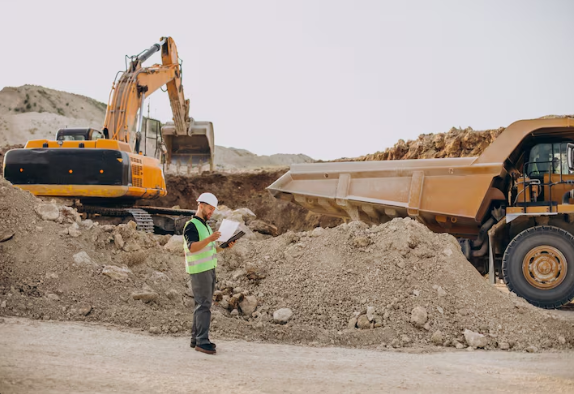
The scale and type of machinery used can make or break both the schedule and the surrounding landscape. A cramped urban lot demands different equipment than a sprawling rural parcel, and mismatched machinery often leads to delays or unnecessary damage to nearby structures.
Questions to raise:
- What equipment is best suited to this particular site, and why?
- How will heavy machinery access the property without disrupting neighboring land?
- What is the realistic timeline, accounting for weather delays or unforeseen soil conditions?
- How is excavated material handled — hauled away, reused on-site, or stockpiled?
Weighing Experience Against Promises
It’s tempting to gravitate toward whoever quotes the fastest turnaround, but speed without a solid plan often backfires. Ask for examples of comparable projects completed nearby, and don’t hesitate to request references. A contractor confident in their track record will welcome the scrutiny rather than shy away from it.
Confirming Safety Protocols and Site Restoration
Excavation is inherently one of the riskier phases of construction, so safety measures deserve just as much attention as technical capability.
- How are trench walls shored up to prevent collapse?
- What protective measures are in place for workers and passersby?
- How is the site restored once excavation wraps up — grading, erosion control, seeding?
- Who bears responsibility if unexpected damage occurs to adjacent property?
These aren’t questions meant to put a contractor on the defensive; they’re the kind of due diligence that separates a smooth project from a stressful one. A thoughtful excavation partner treats these inquiries as routine, offering clear, documented answers rather than off-the-cuff assurances.
Breaking ground is the point of no return in any build, so the groundwork conversation deserves as much rigor as the architectural plans themselves. For property owners ready to move forward with confidence, Kawartha Utility Services offers the site evaluation expertise needed to start every project on solid footing.