When it comes to designing a custom staircase, material selection plays a crucial role in achieving both functionality and aesthetic appeal. With a variety of materials available, including wood, concrete, steel, and glass, each choice brings its own unique characteristics and visual impact. The right materials can enhance the overall design of a space, creating a strong focal point that is not only visually striking but also meets the practical needs of daily use. As you embark on creating your ideal staircase, understanding the properties and limitations of each material will help guide you to the perfect combination that complements your home’s style and structure.
When it comes to home design, staircases often go unnoticed, yet they play a crucial role in the overall aesthetic and functionality of your space. Selecting the right materials for your staircase not only affects its appearance but also its durability and maintenance. This guide provides insight into various materials and considerations to help you make an informed choice.
Understanding Staircase Materials
The materials used for stairs can vary widely, impacting both the visual appeal and structural integrity of the staircase. Here are some of the most common materials to consider:
- Wood: A classic choice, wood offers warmth and versatility. It can fit in various design styles, from rustic to modern.
- Steel: Known for its strength and durability, steel can create sleek, industrial designs that are both modern and minimalistic.
- Concrete: Ideal for contemporary spaces, concrete provides a bold aesthetic and can be molded into various shapes, making it incredibly flexible.
- Glass: Perfect for achieving a light and airy feel, glass staircases can provide unobstructed views and enhance the overall openness of a space.
Wooden Staircases: Classic and Versatile
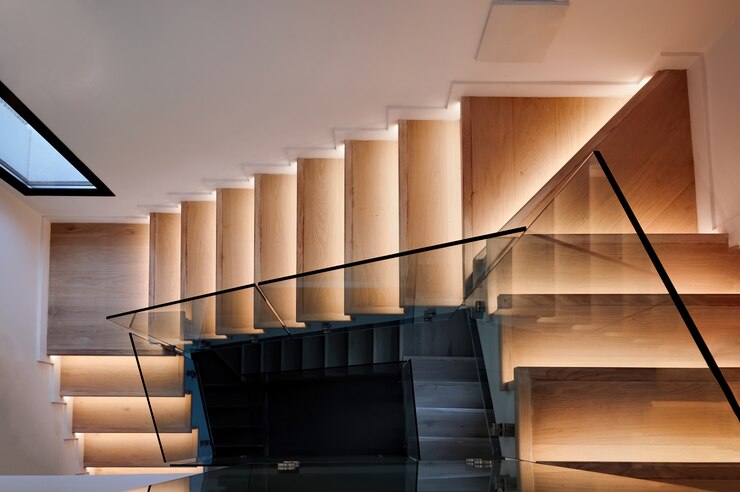
Choosing wood for your staircase can add a touch of elegance and warmth. The type of wood selected can dramatically alter the look of the final product. Oaks, maples, and pines are popular choices, each offering unique grains and colors. One of the significant advantages of wooden staircases is their customization potential; you can select finishes, stains, and styles that best suit your home’s decor. Remember to consider the maintenance requirements, as wood may need refinishing over time to keep it looking its best.
Steel Staircases: Industrial Strength
If you’re inclined towards a modern, industrial aesthetic, steel might be your material of choice. Steel staircases are known for their durability and can withstand heavy foot traffic. The minimalist design often associated with steel can create striking visual lines in any home. Additionally, this material can be treated to prevent rust and increase longevity. Moreover, their adaptability allows for incorporation of other elements, such as wood or glass, to soften the overall look.
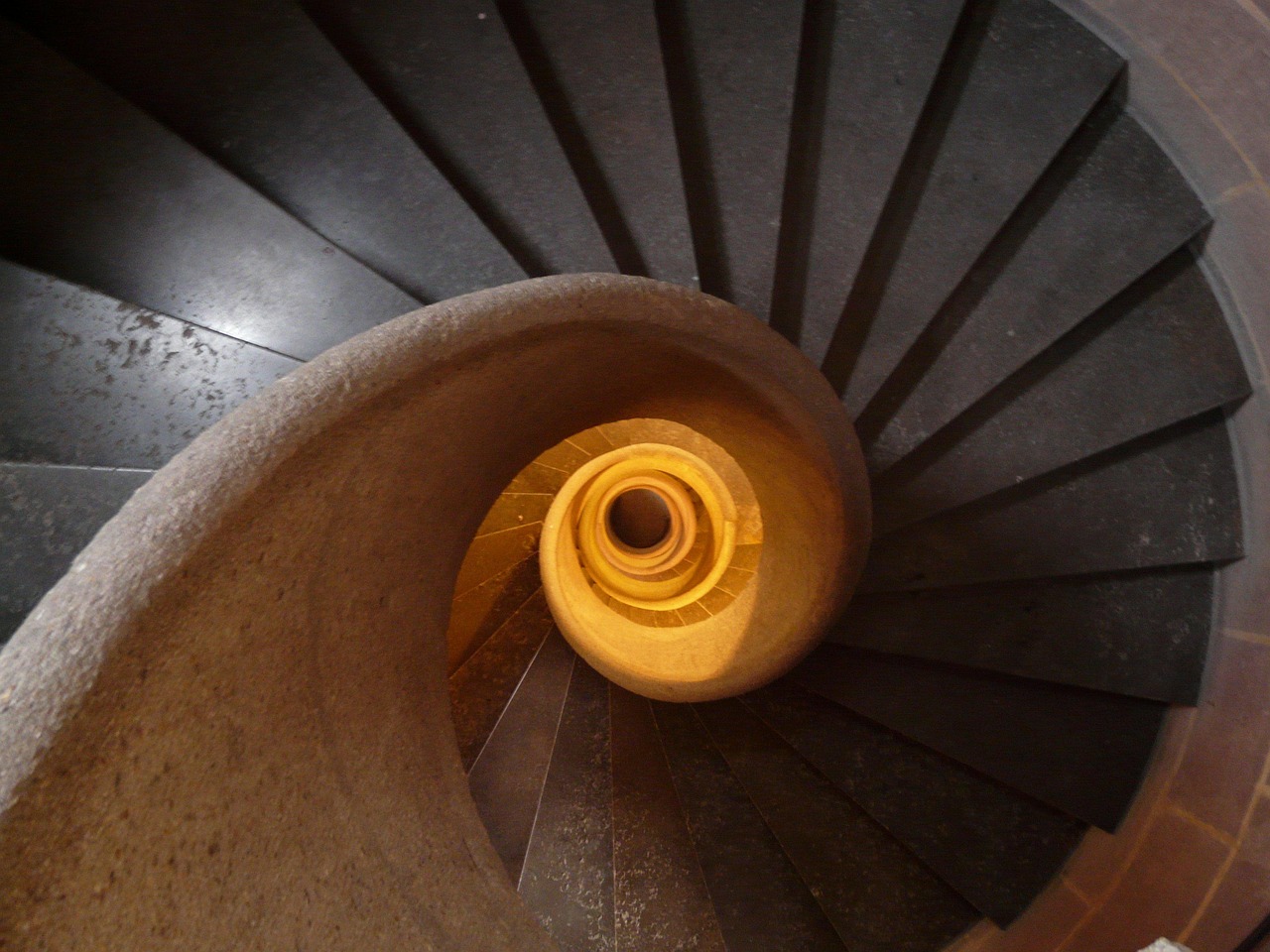
Concrete Staircases: Bold and Contemporary
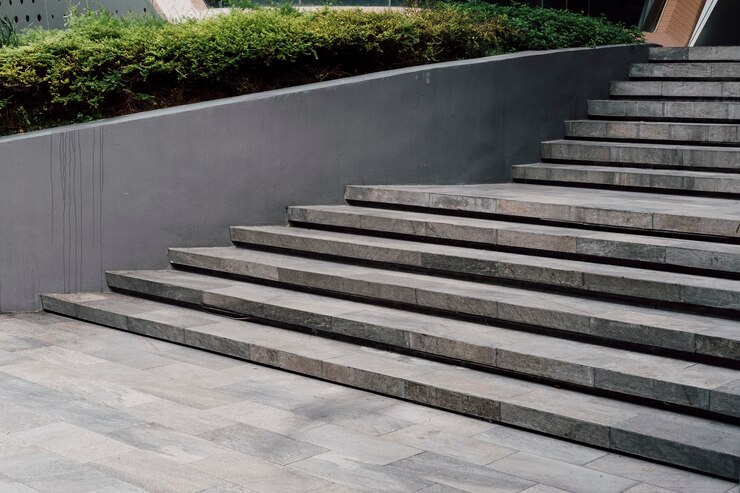
For a truly modern look, concrete staircases stand as a powerful choice. The material provides unlimited shapes and forms, allowing for creative designs that can serve as the centerpiece of any space. Although they can appear heavy, using concrete strategically can result in a lightweight aesthetic when combined with glass railings or floating designs. Keep in mind, however, that concrete can be more difficult to modify once in place, so planning is essential.
Glass Staircases: Light and Airy
Utilizing glass in your staircase design can offer a sense of openness and sophistication. Glass provides an unobstructed view while creating an illusion of greater space, making it a popular choice in contemporary homes. It can be used in various forms, from balustrades to treads. Safety should be your primary concern; ensure that the glass is tempered and installed properly to avoid accidents.
Factors to Consider When Choosing Staircase Materials
Beyond aesthetics, several factors can influence your choice of materials for a staircase:
- Budget: Consider the cost of materials and installation when determining your budget. Wood is often less expensive than steel or glass.
- Functionality: How often will the staircase be used? A high-traffic area may require more durable materials.
- Maintenance: Be aware of how different materials require upkeep. For instance, wood may need regular polishing, while steel and concrete can be more straightforward to manage.
- Style: Consider how the staircase will fit into your overall home decor and choose a material that harmonizes with other elements.
Ultimately, the selection of staircase materials is a reflection of personal style, practical needs, and the architectural demands of your home. With so many innovative options available today, the possibilities for creating a stunning staircase are virtually limitless.