In the realm of home safety, many homeowners prioritize locks, alarms, and smoke detectors, often overlooking a vital aspect: electrical maintenance. A well-functioning electrical system is crucial for preventing hazards, such as fires caused by faulty wiring or overloaded circuits. Understanding how to care for your electricity can make a significant difference in ensuring a safe living environment. Here, we will explore essential tips to help you keep your wiring safe and your home secure.

When it comes to the overall safety of your home, many homeowners tend to focus on locks, smoke detectors, and security systems. However, one critical aspect that deserves your attention is your electrical system. Faulty wiring, outdated outlets, and overloaded circuits can easily result in hazardous situations, such as electrical fires. With just a bit of vigilance, you can greatly minimize these risks. Below are some essential tips for ensuring your home’s electrical safety.
Recognizing Overloaded Circuits
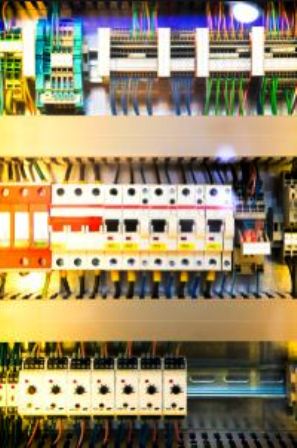
One major cause of electrical hazards in residential settings is the overloading of circuits. Plugging too many devices into a single outlet or using multiple high-wattage appliances on the same circuit can lead to overheating and, in severe cases, fires. Be on the lookout for these warning signs:
- Frequent blown fuses or circuit breakers that trip regularly.
- Flickering or dimming lights when an appliance is turned on.
- Unusual warmth or a burning odor near outlets or switches.
If you notice any of these signs, avoid using too many appliances on the same circuit. An upgrade to your electrical panel or the addition of more outlets may be necessary. Consulting a licensed electrician is key to determining the appropriate steps to take.
Importance of Updating Wiring, Especially in Older Homes
If you live in a home built before the 1970s, there’s a strong chance your wiring is outdated and may not align with today’s safety standards. Materials such as aluminum wiring, knob-and-tube wiring, or old-style fuse boxes can pose serious risks.
Consider having an electrician conduct a thorough inspection of the wiring in older homes. Although replacing old wiring involves significant investment, it’s a vital step toward protecting your family and home.
Regular Testing of Smoke and Carbon Monoxide Detectors
It’s alarming but true: electrical fiends can lead to house fires that ensue without your notice. To safeguard against this, it’s imperative that your smoke and carbon monoxide detectors are functional and updated regularly. Focus on locales near outlets and appliances for optimal safety.
To stay ahead, test your detectors monthly, replace batteries every six months, and opt for new units at least every ten years. A whole-house surge protector can also help mitigate risks associated with electrical spikes, protecting your valuable electronics in the process.
Add Caution While Using Extension Cords
Though extension cords can be handy, never rely on them as permanent solutions for powering devices or appliances. Overusing these cords can result in overheating, significantly increasing fire risks.
Limit extension cord use to temporary situations. When more outlets are necessary, consider hiring a licensed electrician to install them, rather than daisy-chaining multiple cords together. Always ensure cords are in pristine condition—look for signs of fraying or exposed wires.
Making Electrical Outlets Safer for Children
If your household includes young children, taking precautions around electrical outlets becomes paramount. Curiosity can lead to dangerous situations if outlets aren’t properly secured.
Implement tamper-resistant outlet covers to keep little hands away from live wires. You might even want to consider replacing standard outlets with ones incorporating child safety features, particularly in risk-prone areas such as kitchens and living rooms.
The Necessity of Regular Electrical Inspections
Electrical systems can easily slip from our minds in day-to-day life, yet just like HVAC systems, they necessitate regular upkeep. Schedule an annual inspection with a licensed electrician to discover hidden issues—be it faulty wiring, overloaded circuits, or grounding problems—before they escalate into major safety concerns.
Taking a proactive approach by having your electrical system inspected ensures that your home adheres to the latest safety standards.
Bonus Tip: Whole-House Surge Protection
Power surges can strike unexpectedly, often caused by storms or defective equipment. Having a whole-house surge protector safeguards all your appliances and sensitive electronics from potential damage due to these electrical spikes.
Your home’s electrical system plays a significant role in daily life, but it can become dangerous if neglected. By following the previously outlined tips, you contribute to keeping your living space safe. If you’re seeking assistance with any electrical needs or would like to schedule an inspection, consider the services offered by XXX.
Maintaining a safe home electrical system is crucial for protecting both your property and loved ones. Understanding the potential hazards associated with electrical wiring, such as overloaded circuits and outdated wiring, is the first step toward ensuring safety. By recognizing the signs of trouble early and taking proactive measures, homeowners can prevent dangerous situations and costly repairs.
Regular testing of smoke detectors and carbon monoxide detectors is an essential practice that shouldn’t be neglected. These devices are your first line of defense against fires and toxic gas exposure, especially in spaces near multiple electrical outlets. Additionally, being mindful of how extension cords are used helps eliminate the risk of overheating, as these cords should only be a temporary solution.
For families with young children, implementing safety measures around electrical outlets cannot be overstated. Utilizing tamper-resistant outlet covers is a simple yet effective way to prevent accidents stemming from children’s curiosity. Moreover, scheduling regular electrical inspections with a licensed electrician is crucial in identifying and addressing potential wiring issues before they escalate into serious threats.
By prioritizing these maintenance tips, homeowners not only safeguard their residences from electrical hazards but also foster a safer living environment for everyone. Being proactive rather than reactive can ultimately save lives and preserve property. Now is the perfect time to assess your home’s electrical system, and don’t hesitate to seek help from professionals when necessary. Building a reliable relationship with your local electricians ensures that your home is fortified against electrical failures for years to come.