Construction sites move fast, but overlooking scaffold inspections can turn a routine project into a dangerous situation within minutes. Kwikstage scaffolding systems offer strength and flexibility, yet their reliability depends heavily on regular safety checks and proper maintenance. Site managers who understand what to inspect and when to act can help reduce accidents, improve efficiency, and maintain compliance throughout the project.
Inspecting Structural Components Thoroughly
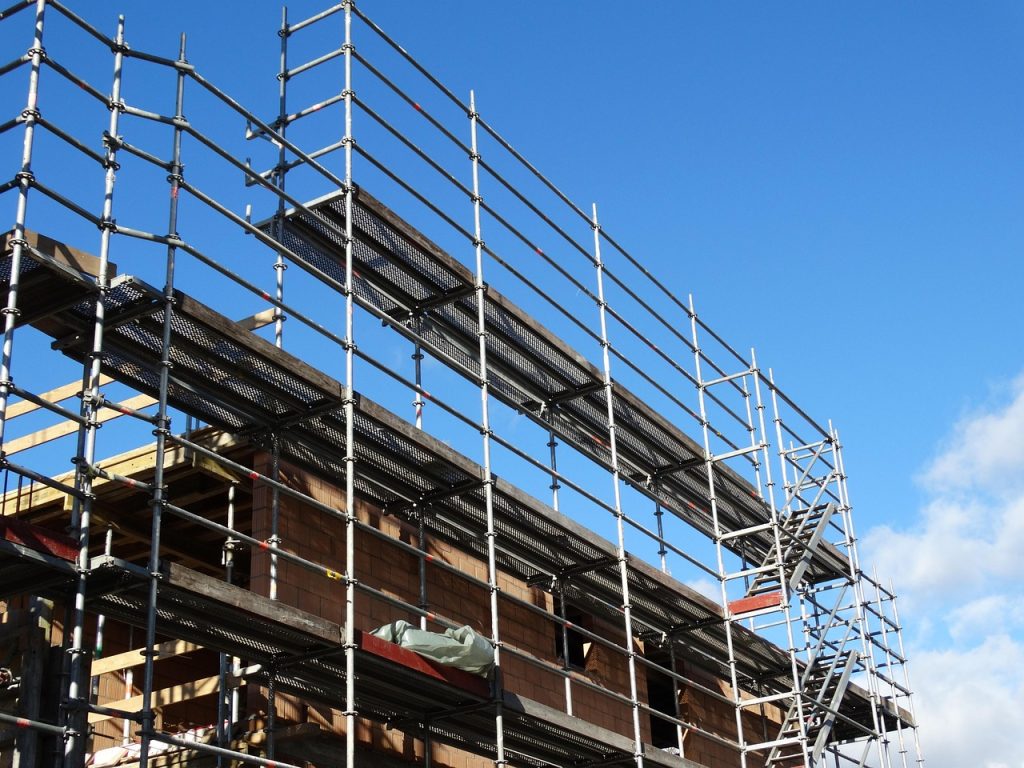
Kwikstage scaffolding safety checks begin with a close examination of the system’s structural integrity. Even the most durable framework can become hazardous when components are damaged, improperly installed, or exposed to harsh conditions over time.
Examining Standards and Ledgers Carefully
Standards and ledgers form the backbone of the scaffold structure. If these essential elements are bent, cracked, or loosely connected, the entire system may lose stability under load.
Before workers access the scaffold, site managers should inspect:
- Vertical standards for corrosion, dents, or deformation.
- Ledger connections to confirm secure locking mechanisms.
- Base plates and sole boards for proper positioning on stable ground.
Like the roots of a towering tree, these components support everything above them. Ignoring minor defects can quickly lead to larger structural concerns.
Assessing Bracing and Platforms Consistently
Bracing prevents lateral movement, while platforms provide safe working surfaces for crews operating at height. Missing or damaged sections can compromise both worker safety and project productivity.
During inspections, managers should verify:
- Cross braces are properly installed and tightened.
- Platforms sit evenly without dangerous gaps.
- Decking surfaces remain free from cracks, warping, or excessive wear.
A scaffold should feel solid underfoot, not sway like a ship caught in rough seas. Regular assessments help identify weak points before they escalate into hazards.
Monitoring Access and Fall Protection Effectively
Once the scaffold structure is secure, attention should shift toward worker access and fall prevention systems. These safeguards play a major role in reducing workplace injuries on active construction sites.
Reviewing Guardrails and Toe Boards Methodically
Guardrails and toe boards provide a protective barrier that helps prevent falls and falling debris. Even a small missing section can create unnecessary risks for workers below and above the scaffold.
To maintain safe conditions, inspections should include:
- Confirming guardrails are installed at correct heights.
- Checking toe boards for secure attachment.
- Ensuring no gaps exist between protective barriers.
Consistent inspections reinforce a culture of safety rather than treating compliance as a box-ticking exercise.
Verifying Ladders and Access Points Regularly
Safe access routes are often overlooked during busy construction schedules. Workers climbing unstable ladders or obstructed access points face increased injury risks every day.
Site managers should ensure:
- Ladders remain firmly secured to the scaffold.
- Access pathways stay free from tools and debris.
- Entry points allow workers to move safely while carrying equipment.
Smooth access improves both efficiency and worker confidence. When employees feel secure navigating elevated areas, productivity tends to follow naturally.
Evaluating Environmental Conditions Continuously
Even a perfectly assembled scaffold can become unsafe when environmental conditions change unexpectedly. Weather, ground movement, and nearby activities all influence scaffold stability.
Identifying Weather-Related Hazards Promptly
Strong winds, heavy rain, and extreme temperatures can weaken scaffold performance or increase slip hazards. Conditions that appear manageable in the morning may deteriorate rapidly throughout the day.
To reduce weather-related risks, site managers should monitor:
- Wind speeds affecting scaffold stability.
- Rain accumulation creating slippery surfaces.
- Loose sheeting or netting exposed to gusts.
Construction sites often operate at the mercy of nature. Staying alert to changing conditions helps prevent accidents before they occur.
Observing Ground Stability Frequently
Ground conditions directly affect the scaffold’s foundation. Soft soil, standing water, or uneven terrain can compromise load distribution and increase the risk of collapse.
Routine evaluations should include:
- Inspecting soil for erosion or subsidence.
- Confirming sole boards remain level and secure.
- Identifying nearby excavation work affecting stability.
A strong scaffold is only as dependable as the ground beneath it. Frequent checks help maintain a stable working environment throughout the project.
Documenting Safety Procedures Consistently
Accurate documentation supports accountability and demonstrates compliance with workplace safety regulations. Organized records also make it easier to track recurring issues and maintenance schedules.
Recording Inspection Reports Clearly
Inspection reports provide valuable evidence that safety checks have been completed properly. They also help site managers communicate hazards quickly to supervisors and contractors.
Effective records should include:
- Dates and times of inspections.
- Details of identified defects or repairs.
- Names of qualified personnel performing assessments.
Clear documentation acts like a roadmap during audits or incident investigations, helping teams respond efficiently when questions arise.
Reinforcing Worker Training Continuously
Even the safest scaffold can become dangerous if workers misuse it. Ongoing training ensures crews understand proper procedures, load limits, and emergency protocols.
Training sessions should regularly cover:
- Correct scaffold access techniques.
- Safe handling of tools and materials at height.
- Procedures for reporting hazards immediately.
Knowledgeable workers form the first line of defense against accidents. Continuous education helps maintain awareness across the entire construction site.
Kwikstage scaffolding safety checks help site managers protect workers, maintain regulatory compliance, and keep projects running efficiently. From structural inspections to environmental monitoring, every detail contributes to a safer and more reliable worksite. For professional scaffolding solutions and expert guidance tailored to construction projects, businesses can turn to Precision Scaffolding for dependable support and industry expertise.