
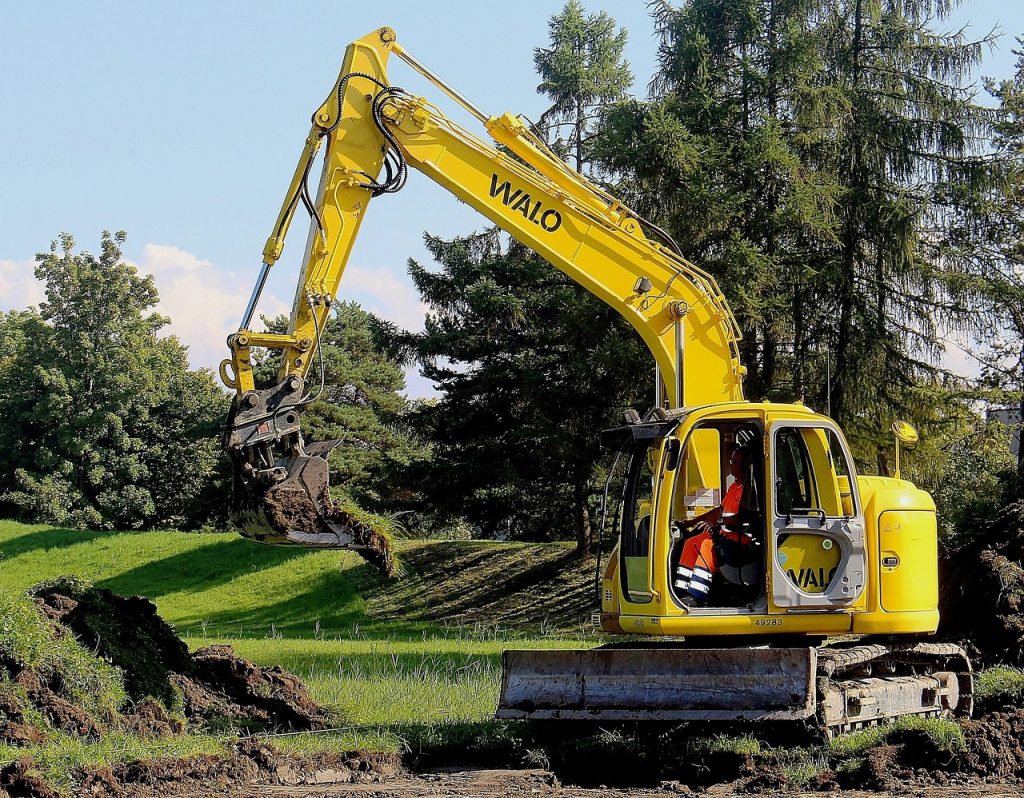
In the competitive construction landscape, selecting the appropriate excavation equipment is crucial for the success of any project. With various machinery types and specifications available, understanding the unique needs of your task becomes essential. From digging to grading and demolition, the right equipment can significantly impact both efficiency and productivity. This guide will delve into the key considerations for renting excavation equipment and how to choose the most suitable machinery for your specific requirements.
Getting Started: Assessing Your Project Needs
When embarking on any construction project, selecting the right excavation equipment is crucial for ensuring efficiency and success. The first step is to evaluate the specific requirements of your project. Begin by pinpointing key tasks, whether it involves digging, grading, or demolition. Understanding the scale and nature of your work will inform better equipment choices.
Consider the site layout — dimensions, soil type, and any additional requirements, such as specialized attachments for your excavator. Documenting these parameters forms a solid foundation for discussions with potential rental companies.
Types of Excavators: Crawler vs. Wheeled
As you dive into the world of excavation equipment rental, it’s essential to distinguish between the two primary categories of excavators: crawler and wheeled.
Crawler Excavators
Crawler excavators are designed for rugged terrains, boasting exceptional stability and traction. Their robust structure is ideal for moving substantial loads and digging deeper than counterparts. This type is particularly effective in confined spaces and uneven ground environments.
Wheeled Excavators
On the flip side, wheeled excavators shine in terms of mobility. Suitable for projects requiring frequent relocation, they navigate urban settings effortlessly, bringing efficiency to tasks that call for quick transitions. Understanding your project’s operational needs will dictate which excavator type is best suited for your job.
Critical Features to Evaluate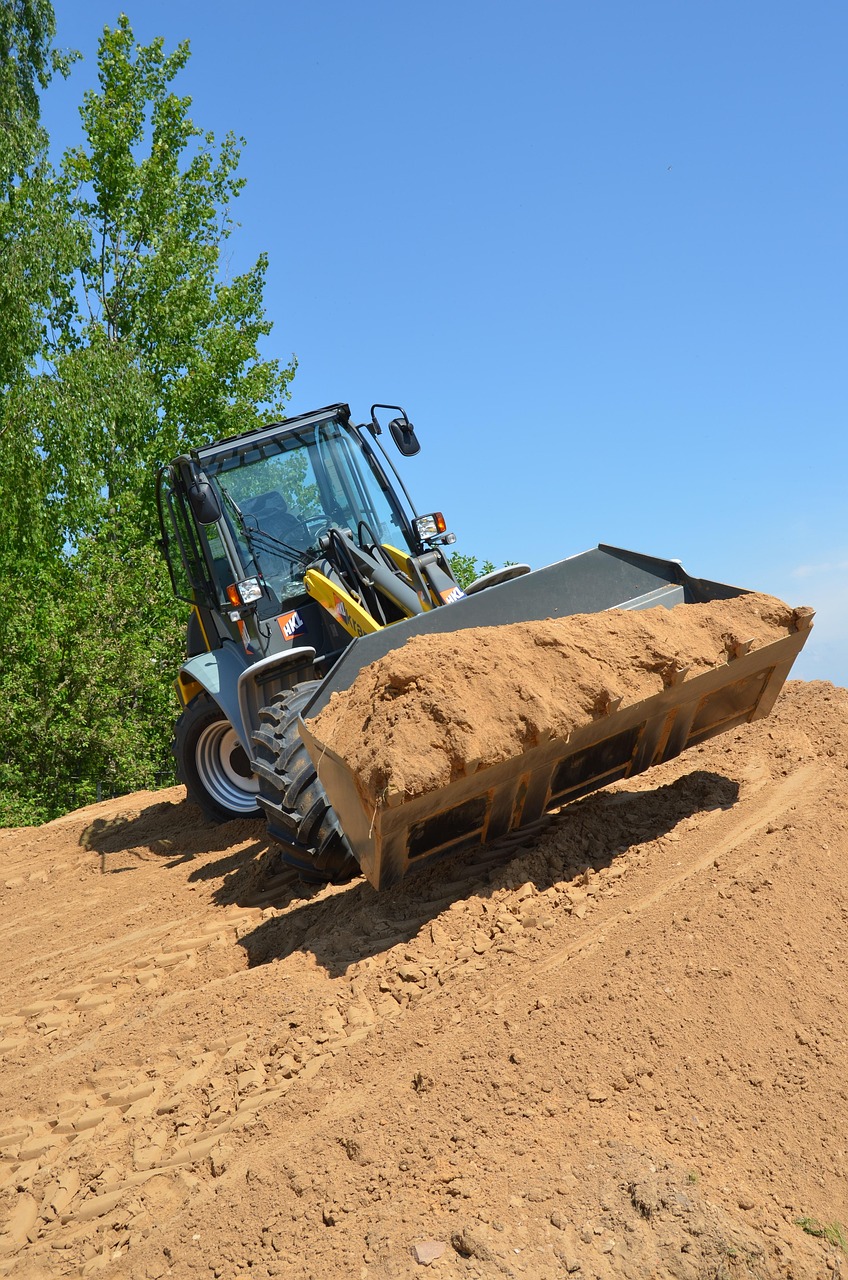
Regardless of the excavator type, certain features should be prioritized to maximize performance and safety:
- Hydraulic System: A well-functioning hydraulic system is essential for effective digging and lifting. Ensure the excavator is equipped with adjustable hydraulic flow for optimal performance.
- Bucket Size and Type: Choosing the right bucket is vital. Larger buckets are advantageous for extensive excavation, while smaller ones are better for precision tasks.
- Operator Comfort: Enhanced comfort leads to better productivity. Look for features like ergonomic seats and climate control within the operator’s cabin.
- Stability Features: For operations on uneven terrains, stability features such as wide tracks are crucial to ensure safety and efficiency.
- Maintenance Access: The ease of accessing maintenance points can affect overall downtime, so opt for machines designed with user-friendly service doors.
Navigating the Rental Process
The path to securing the right excavation equipment necessitates a structured approach:
- Research Rental Companies: Begin by looking into established firms specialized in heavy equipment. Online reviews can provide insights into customer satisfaction.
- Request Quotes: Contact multiple companies to procure quotes tailored to your specific project. This comparison will help identify the best financial and equipment options available.
- Inspect Equipment: Before finalizing a lease, conduct a thorough inspection to evaluate the condition of the excavator. Confirm it meets all project needs.
- Review Lease Agreements: Scrutinize the lease terms, focusing on aspects like insurance, maintenance responsibilities, and a breakdown of costs.
- Schedule Delivery: Coordinate delivery and pickup with your rental company, ensuring it aligns with your project timeline.
Understanding Rental Terms
Familiarizing yourself with rental terms is vital for avoiding unexpected costs and pitfalls:
- Lease Duration: Know the rental duration and any associated penalties for delays.
- Insurance Requirements: Confirm what type of insurance coverage is required; compliance is key to safeguarding against liability.
- Maintenance Responsibilities: Identify who will oversee maintenance and repairs during the rental period.
- Fuel Charges: Clarify fuel policies to prevent unforeseen expenses at the end of the rental.
Best Practices for Efficient Operation
To ensure successful operation of your rented excavator, adopt these best practices:
- Conduct Pre-Operation Checks: Always perform thorough checks before using the equipment to prevent potential mechanical failures.
- Prioritize Operator Training: Ensure that operators are trained on the specific model being used; skilled operators lead to enhanced safety and productivity.
- Adhere to Safety Protocols: Following site-specific safety guidelines is essential in preventing accidents and ensuring everyone’s well-being.
- Maintain Open Communication: Establish a communication loop within your team to address any emerging issues promptly.
Choosing the right excavation equipment for your project can greatly impact your success. By following the steps outlined above, you can ensure that you select the appropriate excavator, navigate the rental process smoothly, and operate efficiently and safely.


