
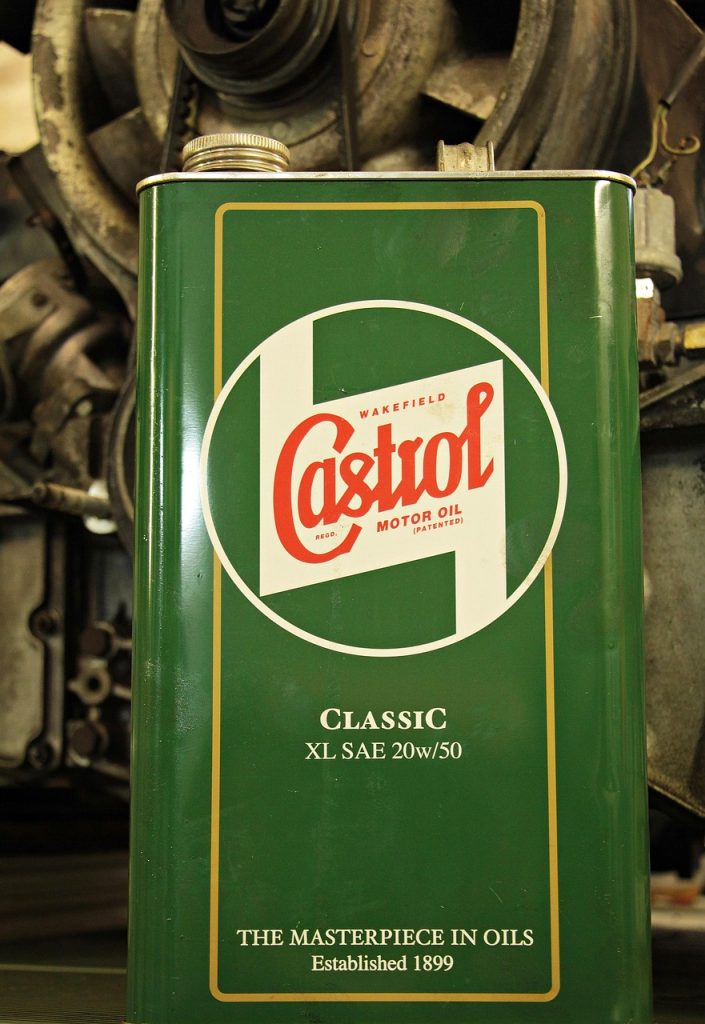
For enthusiasts and professionals alike, the selection of high-performance engine oil is crucial in optimizing vehicle performance during racing applications. This guide delves into the various types of oils tailored specifically for high-RPM, high-load conditions prevalent in racing environments. Learn about the technical specifications, benefits, and key features of leading engine oils that ensure your racing engine maintains impeccable efficiency, power delivery, and durability under extreme stress. In the competitive world of racing, the right choice of engine oil can enhance not just performance but also the lifespan of your engine.
Understanding Viscosity in Racing Engine Oils
Viscosity refers to an oil‘s thickness and its resistance to flow. It’s crucial when it comes to maintaining the integrity of high-performance engines. Choosing the optimal viscosity can mean the difference between a roaring success on the race track and disastrous engine failure.
Choosing the Right Viscosity Grade
- 20W-50: Thick and robust, ideal for hot conditions and older engines.
- 5W-40: Offers stellar protection in cooler climates, allowing for quick starts.
Higher viscosity oils maintain a protective film around engine components during high RPMs, reducing wear and enhancing durability. Conversely, lower viscosity oils excel in cold startups but may not provide adequate protection under extreme temperatures.
Breaking Down Oil Additives for Enhanced Performance
The power behind engine oils often lies in additives. These specially formulated components enhance the oil’s performance, allowing engines to operate optimally even under high stress.
Key Additives to Look For
- Friction Modifiers: These agents minimize friction, providing better fuel economy and power output.
- Zinc Compounds: Excellent for wear protection, especially in high-precision engine components.
- Molybdenum Compounds: These additives reduce wear during start-up and highly demanding driving conditions.
Synthetic vs. Conventional Oils: The Ultimate Showdown
The debate between synthetic and conventional oils has long been a hot topic among car enthusiasts and racers alike. Each type has distinct properties that cater to different engine needs.
The Advantages of Synthetic Oils
Synthetic oils are engineered for top performance. They offer superior thermal stability and resist oxidation, meaning they can endure high temperatures without breaking down. This is especially crucial in competitive environments where reliability and performance must be at their peak.
Conventional Oils: A Reliable Option
On the flip side, conventional oils are derived from refined crude oil and provide solid protection for a cost-effective option. They may not perform as well under extreme conditions but can still be a viable choice for less aggressive racing applications.
Break-in Oils vs. Racing Oils: What You Need to Know
When initializing a new engine, utilizing break-in oils can help secure proper seating of engine components. These oils are designed to protect new parts during the critical first phases of operation. In contrast, dedicated racing oils are formulated for maximum performance, prioritizing wear protection and power enhancement in extreme conditions.
Choosing the Right Oil for the Job
To achieve optimal results, consider your engine’s specific requirements, the type of racing you’re engaging in, and the weather conditions expected during your events. Matching the right oil to your engine not only enhances performance but also extends its life through proper lubrication and wear protection.
Keeping Your Engine Clean: The Importance of Oil Longevity
A crucial aspect that cannot be ignored is the cleanliness of the engine oil. Many high-performance oils include detergents to help keep engines clear of harmful sludge and deposits. Maintaining oil integrity ensures that your engine runs smoothly, preventing unwanted performance issues during races.
Tips for Maintaining Oil Quality
1. Regularly check oil levels and quality.
2. Change the oil and filter as per the racing calendar.
3. Use oils that are specifically formulated to resist breakdown under extreme conditions.
Final Thoughts on Selecting Racing Engine Oil
Choosing the best high-performance engine oil hinges on various factors, including viscosity, additives, and your engine’s specific needs. Whether you’re looking for top-tier synthetic oils or reliable conventional options, making an informed decision will keep your engine performing at its best.
For more information and a practical selection of racing engine oils, visit this link.
If you’re in the market for innovative engine solutions tailored for racers, check out Auto Body Parts TM for cutting-edge products that align with your racing ambitions.


