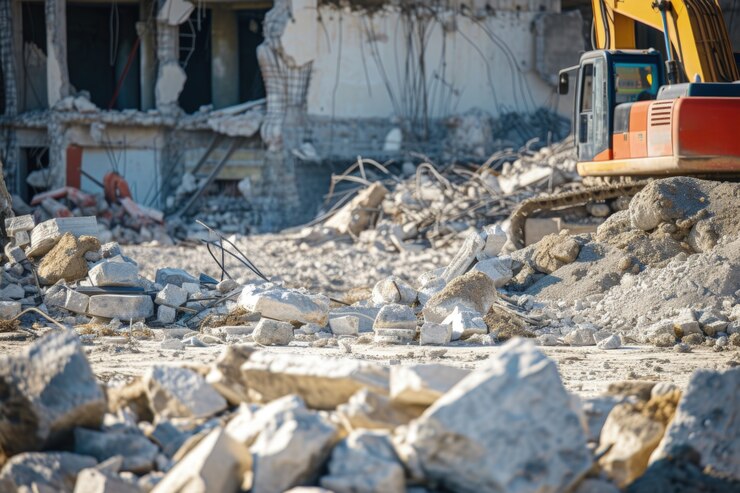
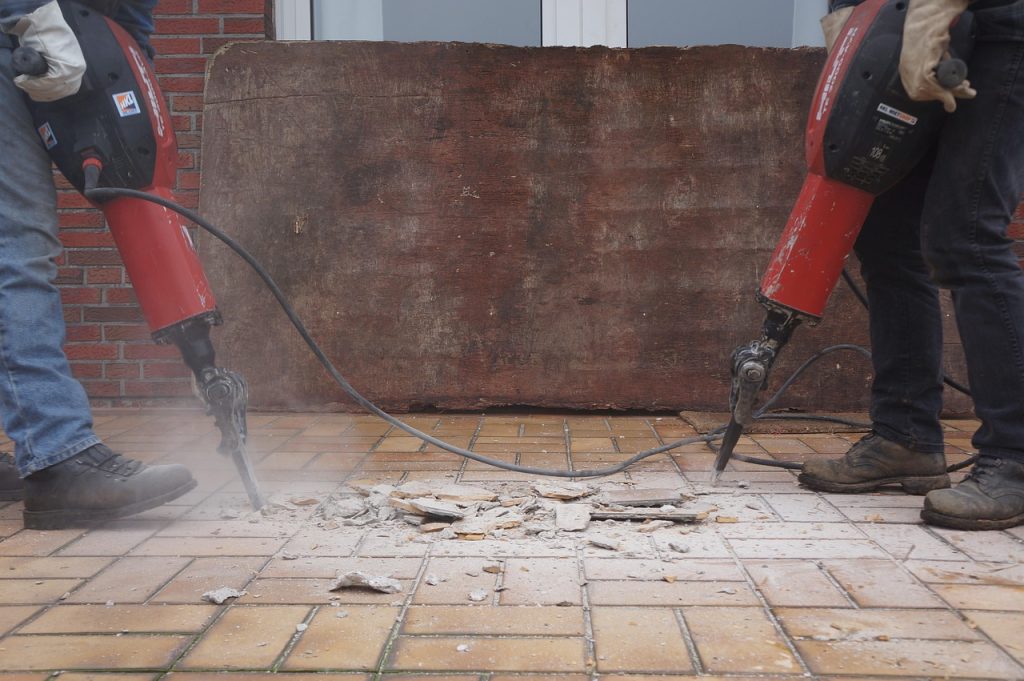
When embarking on a demolition project, whether it involves a residential property or a large commercial building, understanding the necessity of a demolition permit is critical. This permit is more than just a formality; it serves as a vital legal document issued by local authorities, granting permission to safely demolish a structure while ensuring compliance with pertinent regulations. The process of obtaining this permit includes several important steps, from gathering required documentation to navigating inspections, all essential for avoiding legal issues and project delays. In this guide, we will delve into the intricacies of demolition permits and the necessary legal steps to take for a smooth demolition experience.
What Exactly is a Demolition Permit?
A demolition permit is a legal authorization issued by your local government, granting permission to demolish a structure. This document ensures compliance with zoning laws, safety regulations, and environmental protections, serving as a safeguard not only for you but also for the community at large.
Why You Need a Demolition Permit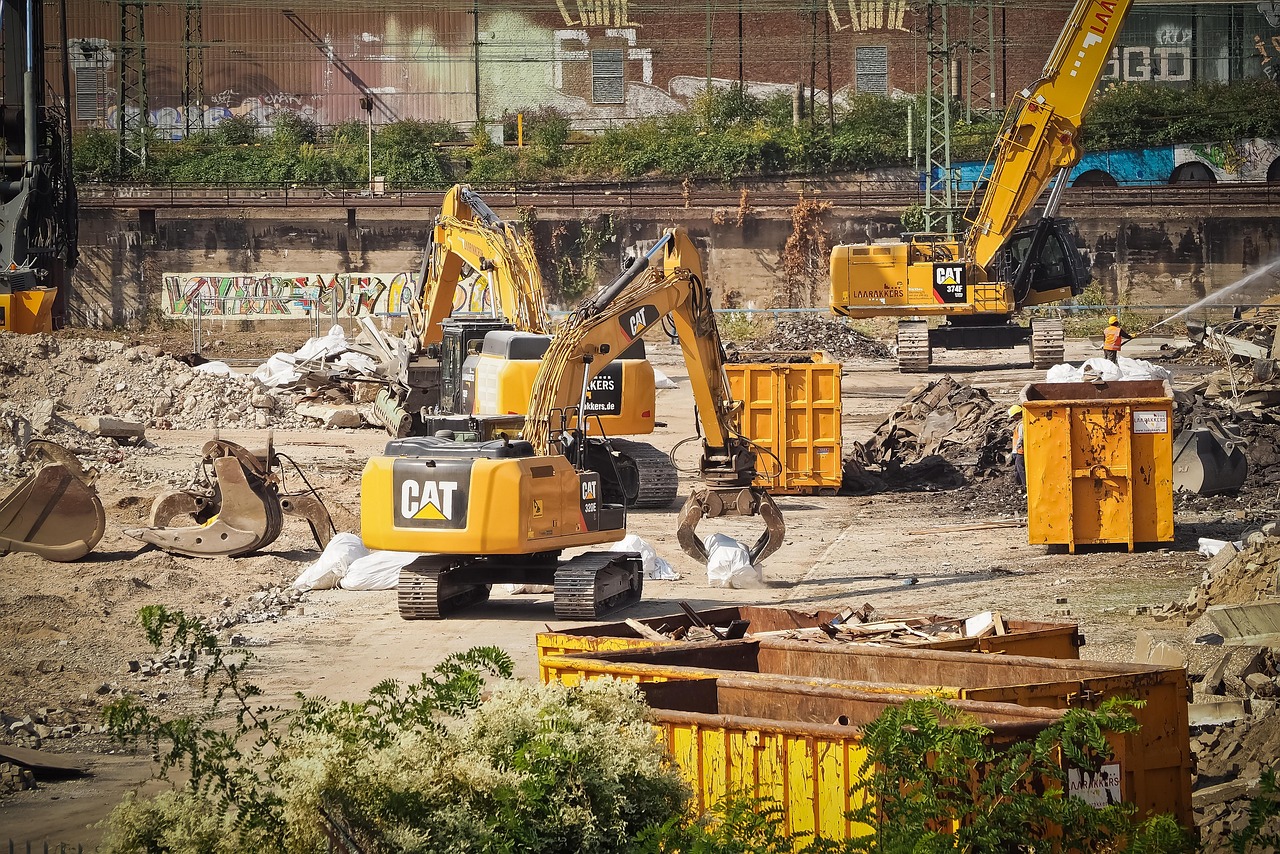
- Safety Measures: Ensuring the structural integrity of surrounding areas and worker safety is paramount.
- Environmental Compliance: Demolition may include hazardous materials such as asbestos, necessitating adherence to environmental regulations.
- Zoning Regulations: Local laws dictate how land can be used; a permit confirms your project aligns with these rules.
- Utility Coordination: A permit streamlines the safe disconnection of utilities like gas, water, and electricity.
When is a Demolition Permit Required?
While not every project will necessitate a demolition permit, certain circumstances certainly do. Below are typical situations requiring this essential documentation:
- Total Demolition: Clearing an entire building from the lot.
- Partial Demolition: Removing sections of a structure, especially if it impacts structural integrity.
- Interior Demolition: A major overhaul requiring the removal of walls or significant components.
- Accessory Structures: Even smaller buildings, like garages or sheds, may require permits.
Steps to Secure a Demolition Permit
Obtaining a demolition permit may seem daunting, but by following a structured process, you can navigate the framework with ease. Here’s a step-by-step guide:
Step 1: Familiarize Yourself with Local Regulations
Before plunging into the demolition process, it’s crucial to grasp your locality’s codes. Consult your local government’s website or speak to the building department to gather information regarding required documentation and potential fees. Each jurisdiction may have its unique rules.
Step 2: Prepare and Submit Your Application
Your application will typically require:
- Property Address: The location of the demolition site.
- Project Scope: Detailed description of the work—total versus partial demolition.
- Site Plans: Plans illustrating the structure’s location relative to other buildings.
- Utility Documentation: Proof that all services will be disconnected.
- Hazardous Materials Plan: If applicable, an abatement strategy for materials like asbestos.
- Contractor Credentials: Verification that a licensed contractor will handle the demolition.
Step 3: Schedule Inspections
Inspections are often a prerequisite for the permit approval process. Inspectors will confirm:
- The structural integrity of the building.
- Safe utility disconnections.
- Proper removal of any hazardous materials present.
Step 4: Coordinate Utility Disconnections
Before commencing any demolition work, all utilities must be safely disconnected. This includes:
- Electricity: Shut off to avert electrical hazards.
- Gas: Capped to eliminate risks of explosions.
- Water: Turned off to prevent flooding.
- Sewer: Managed to avoid contamination.
Post-Demolition Procedures
Once the demolition is complete, another round of inspections will take place to assess:
- Debris Removal: Making sure all rubble is cleared away.
- Site Safety: Evaluating whether the land is safe for future use.
- Environmental Compliance: Confirming no hazardous materials remain.
Common Challenges During Permit Acquisition
As straightforward as the process may seem, various challenges may arise:
- Incomplete Applications: Missing documents can cause significant delays.
- Unforeseen Hazards: Discovering hazardous materials late in the game can push timelines back.
- Utility Delays: Disconnections might take longer than expected.
- Inspection Scheduling: Timely inspections may be difficult to arrange.
By collaborating with professionals who specialize in permitting and demolition, you can mitigate many of these challenges efficiently.
In summary, obtaining your demolition permit is a vital step toward ensuring a hassle-free demolition experience. For expert guidance throughout this complex process, consider reaching out to Bangso Excavation and Demolition. Their seasoned team is prepared to facilitate all necessary permits and ensure your project’s success.