
Managing a septic system effectively is crucial for any homeowner. By ensuring consistent maintenance, not only can you extend the life of your system, but you can also save on costly repairs and avoid health hazards associated with system failures. Let’s delve into practical and essential tips to keep your septic system operating smoothly.
The Anatomy of a Septic System
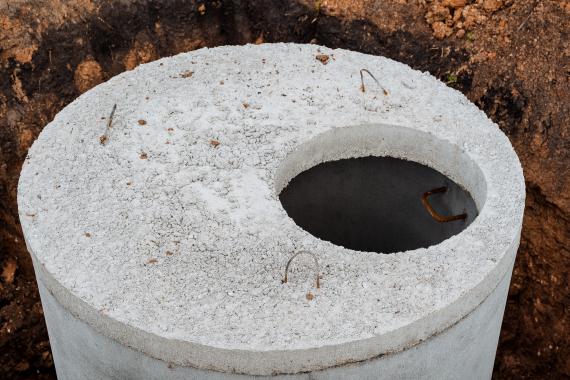
A standard septic system comprises two key components: the septic tank and the drain field. As wastewater flows from your home into the septic tank, it undergoes a natural filtration process. The heavier solids settle at the bottom, while oils and grease float to the top. What remains is the effluent, which flows into the drain field where further filtration occurs.
Routine Maintenance is Essential
Regular maintenance is the backbone of keeping your septic system in check. Here’s how:
1. Schedule Regular Inspections
Engaging the services of a professional for inspections every one to three years can be beneficial. These experts check for leaks, assess sludge levels, and ensure all components function correctly, preventing minor issues from escalating into significant problems.
2. Know When to Pump Your Tank
Pumping the tank is vital to prevent solid accumulation from causing blockages. Depending on household size and usage, it’s recommended to pump your tank every three to five years. This routine service helps in:
- Preventing overflow and clogs
- Enhancing system efficiency
- Reducing contamination risks
- Saving significant money in repairs
Disposal Practices Matter
What goes down the drain significantly impacts the system’s health. Certain items can disrupt the natural bacterial balance and cause blockages:
Items to Avoid Flushing
- Feminine hygiene products
- Diapers and wipes
- Grease and cooking oil
- Coffee grounds
- Harsh chemicals like bleach
It’s also advisable to limit the use of garbage disposals as they can introduce excess solids into your septic tank.
Water Conservation Techniques
Reducing water usage plays a critical role in preventing strain on your septic system. The more water you produce, the greater the load on your system. Implement the following water-saving tips:
- Fix leaks promptly
- Install high-efficiency toilets and showerheads
- Distribute laundry loads throughout the week
- Run dishwashers and washing machines only when full
Protecting Your Drain Field
The drain field is pivotal for the treatment of effluent. Here are some protective measures to consider:
Best Practices for Drain Field Care
- Avoid parking or driving over the drain field
- Ensure rainwater gutters divert away from the field
- Refrain from planting trees or substantial shrubs nearby
Monitor for signs of trouble, such as pooling water or unpleasant odors, which may indicate a failing system.
Stay Informed and Educated
Knowledge is power. Keep abreast of best practices and innovations for maintaining your septic system. Engage with educational resources, such as workshops or sustainability publications, to understand optimal care techniques.
Be Vigilant for Early Warning Signs
Your septic system displays early signs when it’s experiencing issues. Some common indicators include:
- Slow drainage
- Frequent backups
- Gurgling noises within the plumbing
- Unusually lush grass over the drain field
Addressing these symptoms quickly can save you from significant repairs and help maintain your system’s efficiency.
The Evolution of Septic Technology
Innovative technologies aim to enhance your septic system’s efficiency. Advanced treatment systems now utilize eco-friendly enzymes to degrade waste materials more efficiently. Additionally, smart monitoring systems can alert you to potential concerns, allowing proactive management.
By implementing these maintenance tips and staying informed about your septic system’s needs, you can ensure its longevity and operational effectiveness. A reliable professional service can provide the expertise necessary for maintaining your sewer system.